The meltblown nonwoven sector has experienced one of the most dramatic demand cycles in recent industrial history.
After the surge driven by COVID-19, the market is entering a more rational phase—one defined by capacity adjustment, performance-driven innovation, and application diversification.
For B2B buyers and product teams, understanding how meltblown manufacturers are adapting supports better long-term sourcing decisions.
Why Meltblown Demand Changed After The Pandemic
Short answer: Demand normalized, but performance expectations permanently increased.
During the pandemic, meltblown demand was heavily tied to face masks and PPE.
As mask usage declined, overall consumption dropped sharply, and many buyers reduced order volumes.
One change stayed.
End users now understand what high-performance filtration can deliver, and more buyers are willing to pay for verified performance.
Capacity Expansion And The Oversupply Challenge
Short answer: Capacity grew faster than sustainable demand, and utilization became a real issue.
Between 2020 and 2023, meltblown capacity expanded at a pace that exceeded historical norms.
Many newly installed lines operate below optimal utilization today, which intensifies price pressure in commodity grades.
This reset has made one thing clear.
Manufacturers with technical depth and strong application focus are in a better position than opportunistic entrants.
Market Outlook: Slower Growth, Higher Requirements
Short answer: Growth continues, but it is driven by performance, not volume.
Industry commentary suggests the market declined from pandemic peaks and then stabilized toward pre-pandemic patterns.
Where growth remains, it increasingly comes from filtration and technical applications with stricter specifications.
Filtration Is Now The Core Growth Engine
Short answer: Filtration replaced masks as the most important long-term demand driver.
Before COVID-19, meltblown was already used in air filtration, liquid filtration, absorbents, and insulation.
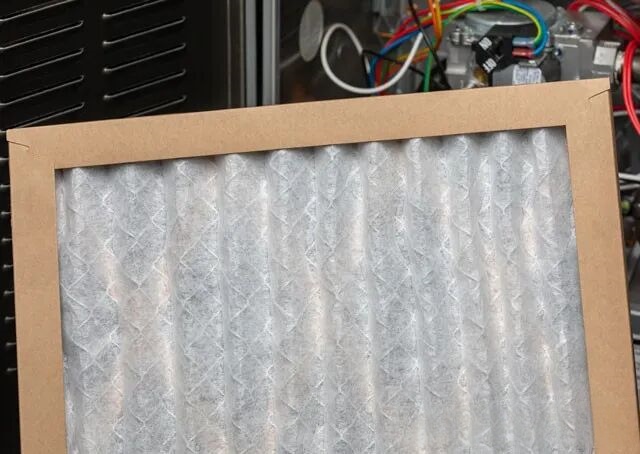
After COVID-19, filtration moved to the center because indoor air quality, wildfire smoke, and industrial contamination control gained attention.
Mask-related demand, once a major driver, now represents a much smaller share of total output in most forecasts.
| Application Area |
Pandemic Peak Period |
Post-Pandemic Market Reality |
What This Means For Buyers |
| Face Masks & PPE |
Dominant demand driver, rapid capacity expansion |
Demand sharply declined, now a minor share |
Mask-grade meltblown is widely available, but margins are low |
| Air Filtration |
Secondary application |
Core long-term growth engine |
Higher demand for stable quality and certified performance |
| Industrial Filtration |
Limited attention |
Increasing adoption in technical industries |
Opportunity for application-specific material development |
| Absorbents & Insulation |
Niche applications |
Stable but smaller-volume demand |
Focus on consistency rather than scale |
| Specialty & Composite Media |
Rarely prioritized |
Growing interest in high-performance solutions |
Buyers value technical support over price competition |
How Leading Manufacturers Are Responding
Short answer: Top manufacturers are shifting investment from commodity output to high-performance media.
Suppliers with long-term plans are prioritizing filtration efficiency, pressure-drop optimization, and stable quality control.
This strategy aligns with HVAC, respirators, and air purification requirements rather than pandemic-era mask volume.
Polymer Innovation Beyond Polypropylene
Short answer: Polypropylene remains dominant, but specialty polymers are gaining traction.
Polypropylene is still the workhorse polymer for meltblown due to cost efficiency and process stability.
However, more durable polymers are increasingly used in demanding industrial environments.
What This Means For B2B Buyers
Short answer: Supplier selection matters more than ever.
- Application-specific performance data
- Batch-to-batch consistency
- Polymer and formulation flexibility
- Support for filtration standards
- Long-term capacity commitment
Conclusion
Meltblown nonwoven has moved beyond the pandemic-driven boom-and-bust cycle.
The next growth phase will favor manufacturers that understand applications, not just output volume.
For B2B buyers, the real advantage lies in working with suppliers who deliver consistent performance and technical reliability.